
Smart Interior Organization Tips for Your Storage Shed
January 19, 2026
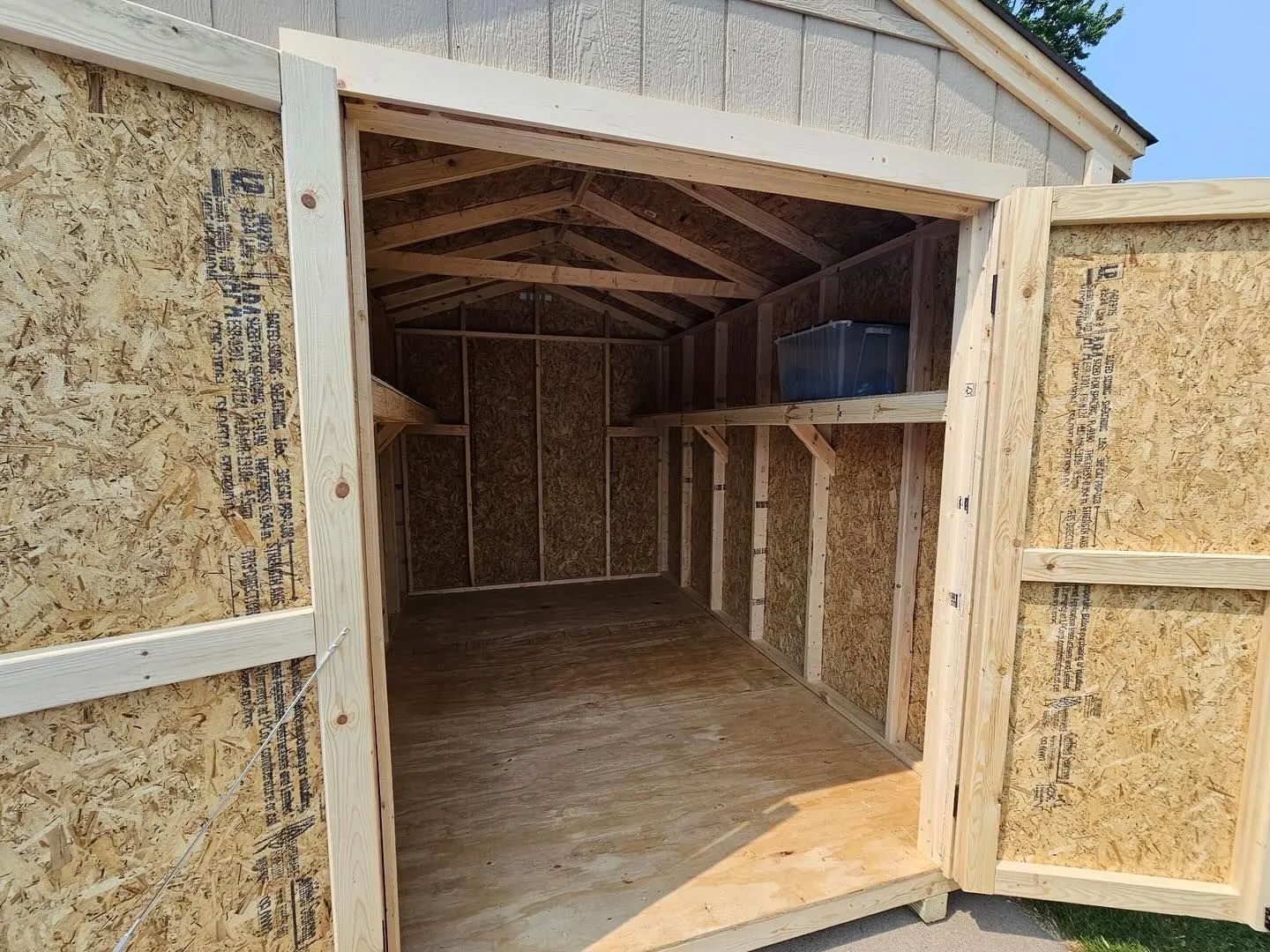
A storage shed is more than just a backyard fixture; it is an extension of your living space and an essential tool for managing seasonal items, gardening equipment, and household tools. Yet, many shed owners struggle with cluttered interiors and inefficient layouts that make finding or accessing items time-consuming and frustrating. A well-organized shed maximizes space, increases functionality, and ensures that every tool or piece of equipment has a designated spot. For homeowners, hobbyists, and small-scale professionals alike, smart interior organization is not a luxury—it’s a necessity.
Creating a functional shed interior requires more than simply stacking boxes on the floor. It demands strategic planning, the right storage solutions, and the ability to anticipate future needs. From shelving units and wall-mounted hooks to labeling systems and modular storage bins, a variety of tools can transform a chaotic shed into a streamlined, efficient space. By implementing smart organizational practices, you not only protect your belongings from damage but also enhance your productivity. This guide will explore actionable, practical tips to optimize your shed’s interior, helping you turn your storage space into a highly organized, easy-to-navigate, and aesthetically pleasing environment.
1. Start with a Clear Layout Plan
Assess Your Space and Needs
Before adding shelves or bins, it is essential to understand the precise dimensions of your shed and all the items you plan to store efficiently. Take careful, accurate measurements of the interior, noting ceiling height, door clearance, and potential obstacles such as windows, vents, or uneven flooring areas. Consider categorizing items by frequency of use: daily, seasonal, or rarely used, which helps you prioritize which items need easy access and which can be stored higher or deeper in the shed for optimal organization.
Zone Your Shed
Creating zones in your shed ensures a systematic and logical organization system that is easy to maintain over time. For example, designate separate areas for gardening tools, sports equipment, seasonal decorations, and hardware supplies, making retrieval faster and more efficient. Zoning allows for a natural flow and minimizes time spent searching for items unnecessarily. In larger sheds, you can dedicate separate corners, shelving units, or even wall-mounted areas to each category, providing a visually organized and user-friendly environment for everyone in the household.
Sketch a Floor Plan
A simple floor plan helps visualize storage possibilities clearly before installing any permanent fixtures or units. Mark where shelves, hooks, pegboards, or cabinets will go, keeping in mind accessibility, movement space, and potential obstacles for daily use. This proactive approach prevents overcrowding, improves workflow, and allows for smooth integration of multiple storage solutions effectively.
Real-World Scenario: A homeowner in a suburban neighborhood once struggled to find gardening tools during peak season due to chaotic storage. After measuring the shed carefully and creating clearly defined zones with labeled shelves, they cut retrieval time by 70%, highlighting the real power of a well-thought-out layout and planning process.
2. Optimize Vertical Space
Install Wall-Mounted Storage
Walls are often significantly underutilized in most storage sheds, leaving valuable space wasted. By installing hooks, pegboards, or wall racks, you can store tools, hoses, ladders, and other equipment vertically. Pegboards are particularly versatile, allowing hooks, baskets, and shelves to be rearranged quickly as storage needs change over time, maximizing space efficiency.
Use Overhead Storage Solutions
Ceiling space can also be harnessed to store items that are seldom used, such as seasonal decorations, camping gear, or bulky containers. Overhead racks or suspended shelving units free up critical floor space and reduce clutter, creating a safer environment by minimizing tripping hazards and providing easy visibility of stored items from below.
Vertical Cabinets and Shelves
Tall cabinets or stacked shelving units make the most of vertical space efficiently without compromising floor accessibility. Adjustable shelves provide flexibility for items of varying sizes, from small jars of screws and nuts to bulky power tools and garden equipment, offering long-term adaptability.
Expert Insight: Storage professionals recommend using vertical storage solutions first, as it allows you to maximize the available space without overcrowding the shed floor. Vertical organization not only improves accessibility and efficiency but also prolongs the lifespan of stored items by keeping them off damp or uneven surfaces.
3. Incorporate Modular Storage Solutions
Modular Shelving Systems
Modular shelving can be customized precisely to fit your shed’s dimensions and storage needs effectively. Adjustable shelving units, combined with bins or baskets, create a flexible organization system that can evolve naturally as your storage requirements change over time, offering long-term adaptability.
Drawer and Cabinet Inserts
Small items such as screws, nails, garden supplies, and miscellaneous tools can get lost easily in large storage containers or boxes. Drawer inserts or small modular organizers help keep these items systematically sorted, minimizing time spent searching and reducing the risk of misplacement, even for frequently used equipment.
Benefit: Modular solutions provide exceptional adaptability and efficiency. A growing collection of tools, seasonal items, or hobby supplies can be integrated seamlessly without requiring a full redesign, making modular storage both cost-effective and highly practical over time.
4. Implement Smart Labeling and Categorization
Label Everything
Labeling is a simple yet incredibly powerful organizational strategy for any storage shed. Clearly marked bins, shelves, and drawers allow you and family members to quickly locate items without confusion. Use waterproof or laminated labels for durability in humid, damp, or dusty conditions, which are common in most sheds.
Color Coding
Color-coded bins, shelves, or labels can enhance the speed and accuracy of finding items in the shed effectively. For example, use green for gardening supplies, blue for hardware, and red for sports equipment. This visual system reduces the cognitive load of remembering where every item belongs, making retrieval faster and more intuitive.
Inventory Lists
For larger sheds, maintaining an inventory list either digitally or on paper can prevent over-purchasing and improve retrieval efficiency. Digital apps, spreadsheets, or printed lists allow for search functions, so you can quickly locate a specific tool, part, or supply without physically checking every shelf, saving time and effort.
Challenge: One common mistake is labeling without considering future changes or use of items. Ensure labels are specific, consistent, and intuitive so anyone using the shed can navigate easily without additional guidance or confusion over storage systems.
5. Maximize Accessibility and Safety
Maintain Clear Pathways
A well-organized shed is not just about storing items efficiently—it is also about safe, convenient, and hazard-free access. Keep pathways clear, especially near doors or high-traffic areas. Avoid storing items directly on the floor in frequently used sections to prevent tripping hazards, ensuring safer movement throughout the shed.
Store Heavy Items Low
Safety considerations dictate that heavy tools or equipment should be stored at waist height or lower wherever possible. This reduces the risk of injury from lifting or dropping items from overhead storage and makes them easier to retrieve without strain, supporting safer daily use.
Use Mobile Carts and Rolling Storage
For sheds with limited space, rolling carts can act as mobile workstations, allowing tools and supplies to be moved directly where needed. This flexibility is particularly useful for hobbyists, landscapers, or professionals who use the shed as a functional workspace regularly.
6. Maintain Organization Over Time
Regular Cleanouts
Even the most organized sheds can deteriorate over time if not maintained. Schedule quarterly or seasonal cleanouts to remove broken tools, expired chemicals, or items that are no longer needed. Regular maintenance keeps your shed functional, clutter-free, and safe for daily use throughout the year.
Adopt a One-In, One-Out Policy
To prevent storage accumulation, implement a “one-in, one-out” policy: for every new item added to the shed, consider removing or donating an old one. This approach prevents storage areas from becoming overcrowded and ensures available space remains manageable and practical for future needs.
Review and Adjust Layout
Your storage needs may change gradually over time, especially if you acquire new hobbies, tools, or seasonal items. Periodically review your shed layout, organization strategies, and storage solutions to make adjustments that enhance accessibility, efficiency, and overall usability without major overhauls.
Maintaining an Organized Shed for Long-Term Efficiency
Effective shed organization requires careful planning, smart storage solutions, and consistent maintenance. By assessing your space, creating zones, and using vertical, modular, and labeled storage systems, you can transform a cluttered shed into a highly functional environment. Accessibility and safety are equally important; keeping pathways clear, storing heavy items low, and incorporating mobile storage options enhance usability and reduce risks. Regular cleanouts and ongoing layout adjustments ensure your shed remains organized and capable of meeting changing needs over time.
Redi Bilt, based in Anoka, Minnesota, brings 40
years of expertise to helping homeowners maximize their storage shed potential. Our extensive experience in designing and constructing durable, customizable sheds ensures that each structure supports effective interior organization. Whether you need practical shelving, space-efficient layouts, or tailored storage solutions, Redi Bilt
provides guidance and craftsmanship that make your shed both functional and long-lasting. With our trusted solutions, you can enjoy a clutter-free, safe, and organized shed for years to come.