
Frost Heave Shifting Your Old Shed Every Spring? Why the Base Has to Go Deeper
October 15, 2026
Concrete Slabs: Maximum Stability for Permanent Structures
Frost and the Frost-Line Requirement
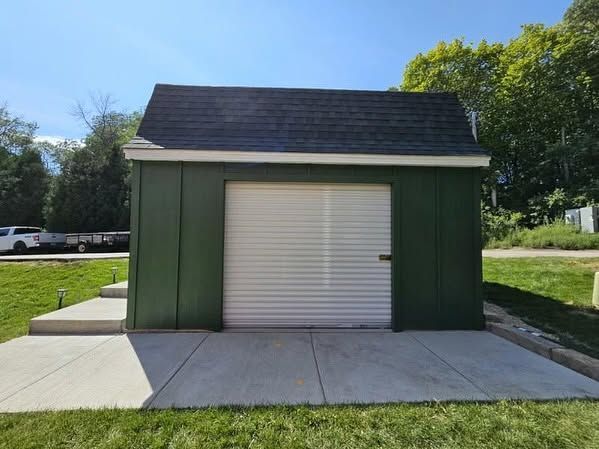
This is where concrete slabs require careful planning. A standard slab poured directly on grade is vulnerable to frost heave in cold climates unless it extends below the local frost line or is insulated with frost-protected shallow foundation techniques. A slab that heaves unevenly can crack and pull the shed out of square.
In regions with deep frost penetration, a floating slab design using thickened edges or an insulated perimeter is often used to manage this. In milder climates, a standard four-inch slab on compacted gravel base performs without issue.
When Concrete Makes Sense
A poured concrete slab is the most permanent foundation option. Once cured, it provides a flat, rigid surface that does not shift, settle, or degrade the way organic materials do. For large sheds, workshops, or any structure intended to be a long-term addition to the property, a concrete slab delivers a level of stability that other foundation types cannot match.
Concrete slabs are also the right choice when you plan to use the interior floor surface directly. If you want to park vehicles inside, run heavy equipment, or work on a smooth floor, concrete eliminates the need for any additional flooring system.
The Ground Beneath Your Shed Is Never Static
Quick Answer: An old shed that shifts every spring is almost always being moved by frost heave. Water in the soil under the base freezes, expands, and pushes the shed upward, and when the ground thaws it settles back unevenly. In the Twin Cities the ground can freeze 42 inches deep, so a base that only goes a few inches into the soil sits entirely inside the zone that moves. A deeper, well drained base built on compacted, free draining stone, with a footing that reaches below the frost line when the shed calls for one, stops the water from getting under the shed and stops the movement that racks the frame each year.
Every April the same thing happens in the backyard. The snow finally pulls back from the shed, and you walk out to find that the door drags at the bottom corner, a gap has opened along one wall, and the whole building looks like it took a half step to the left over the winter. You push a shim under the low corner, plane a little off the door, and tell yourself it will settle. It does settle, a little. Then November comes, the ground freezes, and the cycle starts over, a bit worse than the year before.
That annual shifting is not bad luck, and it is not the shed's fault. It is the ground doing exactly what Minnesota ground does, acting on a base that was never built to deal with it. This article explains what frost heave is, why a shallow base loses the fight every time, and what a deeper base actually looks like when it is done right.
What Frost Heave Actually Does to a Shed
Soil is not solid. It holds water in the tiny spaces between particles, and when temperatures drop below freezing that water turns to ice and takes up more room than it did as a liquid. Ice also draws more water up from deeper, unfrozen soil as it forms, building thin lenses of ice that grow through the winter. The soil above those lenses is pushed up, and anything resting on it goes along for the ride.
Heave Is Rarely Even
The soil under one corner of your shed may hold more moisture than the soil under the opposite corner, because the downspout dumps near it, because the yard slopes toward it, or because that side stays shaded and holds snow longer. A corner that heaves an inch while the rest holds still turns the whole floor frame into a twisted parallelogram. Doors and windows are cut for a square opening, so they are the first things to complain.
Thawing Does Not Put Things Back
When spring arrives the ice melts from the top down. Meltwater often cannot drain through the frozen layer below, so the thawed soil becomes saturated and soft. The raised corner settles, but not necessarily back to where it started, and the soil that has just turned to mud gives way under the weight of the shed. This is why sheds do not rise and fall and return to where they began. They end up a little off level after each pass, and the errors add up over the years.
If your door sticks most in late winter and early spring, and a gap opens and closes with the seasons, that timing points to frost. A shed that simply sinks more every year and never recovers is more likely a drainage or soft soil problem, and the two often show up together.
Why Minnesota Makes This Worse
The Twin Cities sit in a region where frost penetrates deeper than almost anywhere in the lower forty eight. Minnesota's building rules use a frost depth of 42 inches for the southern half of the state, which includes Anoka, Maple Grove, Plymouth, Eden Prairie, and the rest of the metro, and 60 inches for the north. In a hard winter with little snow cover, the ground can freeze well past those design numbers, because snow works as a blanket and a bare, windswept yard loses heat faster.
That depth matters because anything that sits inside the frost zone can be lifted by it. A base made of a few inches of gravel, a ring of patio blocks, or wood skids set on the grass is entirely inside that zone. There is nothing anchoring it to ground that stays put. The whole assembly rides up with the soil it sits on.
Then there is the soil itself. Clay holds water and freezes into heavy ice lenses. Silty soils pull moisture upward very effectively, which makes them some of the worst for heave. Sandy and gravelly soils drain well and heave far less. Many Twin Cities lots have a mix of all of these within a few feet of one another, which is one reason one corner of a shed can behave differently from another.
Snow Load Adds To The Stress
Heavy winter snow sits on the roof and presses down through the walls into the base. When part of the base is lifted and part is not, that weight lands unevenly, and the frame is pushed out of square rather than simply held in place. A building that is racked by heave and loaded by snow at the same time is working against itself for months.
Why a Shallow Base Fails Every Time
Most older sheds in the Twin Cities were set on whatever was easiest on the day: a handful of concrete deck blocks, a few treated timbers, or a thin bed of pea gravel dropped on top of the sod. Those bases do their job for a season or two, and then the cycle takes over.
Blocks And Timbers Sit Right In The Heave Zone
Surface blocks lift with frozen soil, while uneven movement shifts timbers and the entire floor frame.
Organic Soil And Sod Hold Water
Topsoil and grass absorb moisture, which expands during freezing and decays after thawing, leaving voids beneath the base.
Water Has Nowhere To Go
Poor drainage traps roof runoff and yard water beneath sheds, supplying moisture that fuels repeated frost heave during freezing temperatures.
Tip: Walk the yard after a hard rain or during the spring thaw and watch where water goes around the shed. If it pools along one wall, runs toward the base, or sits in a low spot near a corner, that is almost certainly the corner that is moving. Sketching where the water collects gives a builder a head start on the grading and drainage plan.
What Going Deeper Really Means
Going deeper does not always mean a hole in the ground down to 42 inches for every shed. It means building the base so that the soil it depends on is stable, drained, and not able to push the shed around. There are a few ways to get there, and the right one depends on the size of the shed, how it will be used, and what is under your yard.
Remove The Unstable Soil First
A proper base starts with excavation. Remove topsoil, sod, and organic material to expose firmer ground beneath. Extend the excavation beyond the shed's footprint to ensure the entire base has adequate support and reduces uneven settling caused by unstable soil.
Build Up Compacted, Free Draining Stone
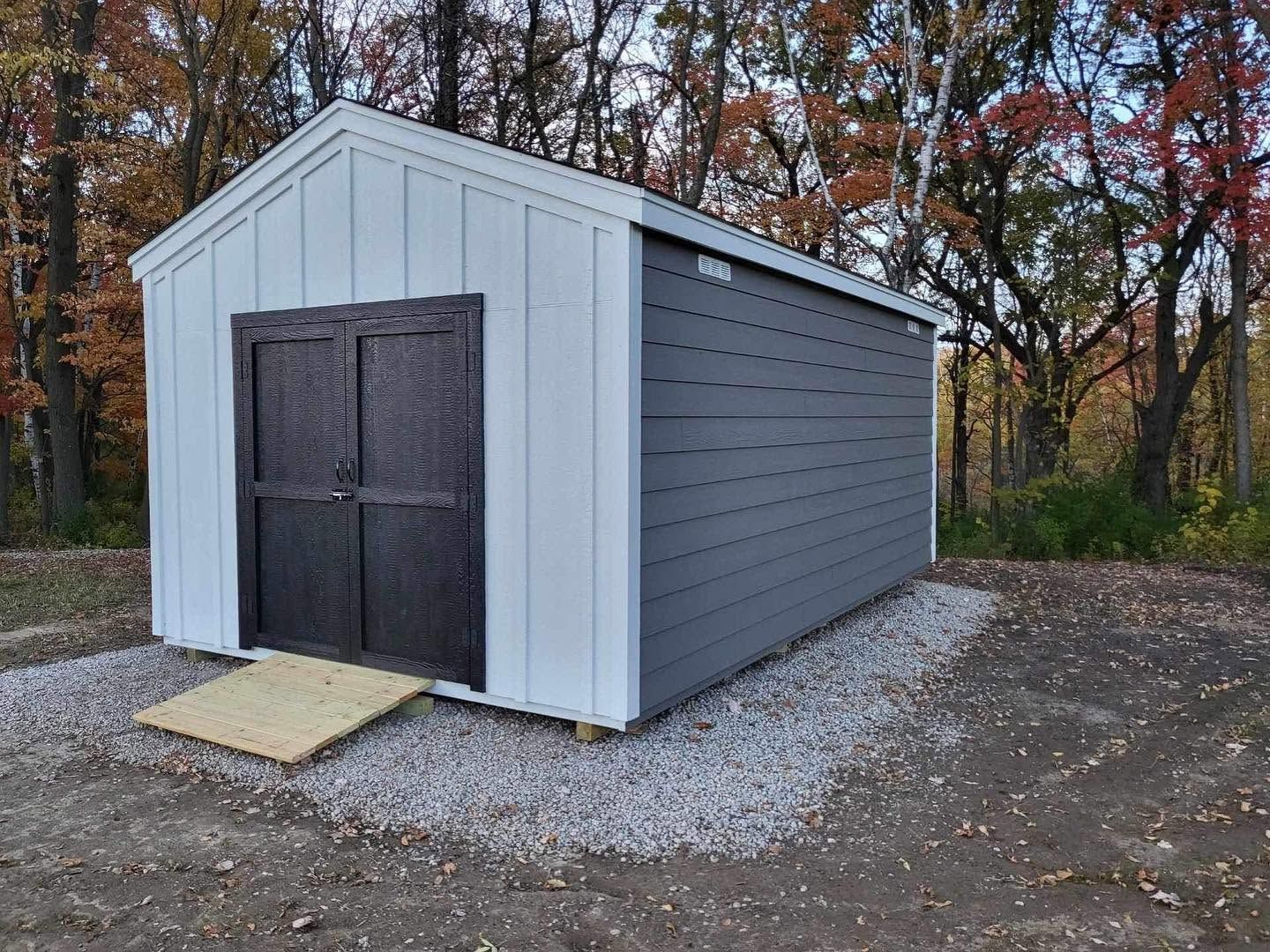
Replace excavated soil with crushed, angular stone, compacted in layers. Its interlocking pieces distribute weight evenly, while gaps allow water to drain. A sufficiently deep, wide gravel pad provides a practical foundation for many light and medium sheds in cold climates.
Footings That Reach Below The Frost Line For Heavier Buildings
Larger sheds, workshops, and heated rooms may require concrete piers or slabs with footings extending below frost depth into undisturbed soil. Some heated buildings use shallower insulated foundations, but these require proper design for the specific structure and local conditions.
Anchoring Ties It Together
Once the base is complete, secure the shed frame to its foundation using appropriate anchors. Proper anchoring resists wind uplift and helps prevent sliding when the ground moves, reducing the risk of small shifts developing into significant structural problems.
If your shed is a small one that you plan to leave in place, a deeper compacted stone base is often enough. If you are planning to heat it, wire it, or put heavy equipment in it, the foundation conversation should come before anything else gets built.
Drainage and Grading Matter as Much as Depth
A deep base on a yard that holds water will still struggle. Water is what makes frost heave happen, so removing water from the equation is half of the fix.
Grade the ground away from the shed. The soil around the base should slope away on all sides, so rain and snowmelt move away from the building instead of toward it. Even a gentle slope helps. Where a shed sits at the bottom of a slope, a shallow swale or a drainage path directing water around the base can keep the area from saturating.
Watch the roof runoff. A shed roof can shed a surprising amount of water along its eaves. Without gutters or a drip line of stone, that water pours down beside the walls and soaks into the very soil the base depends on. Directing it a few feet away from the building is a small step with a large effect.
Keep vegetation and mulch back. Plants and mulch beds against the walls hold moisture against the base and the siding. A clear strip of gravel around the perimeter dries faster and lets the soil drain.
Think of it as two jobs working together. The deep base gives the shed something stable to sit on. The grading and drainage keep the frost from having anything to grab.
What You Can Check Right Now
You do not need to be a builder to get a clear picture of what is going on under your shed. A few checks will tell you a lot.
Measure It
Place a straight board and level on the floor, or use a string line along the siding. Compare seasonal readings to identify frost heave or settlement.
Look Underneath
Check for gaps between framing and blocks, tilted supports, damp soil, and rotting wood. Voids beneath the floor indicate washed-away or compressed soil.
Note Which Parts Move
Watch for rubbing doors, separated trim, and siding cracks. These signs help identify which part of the base has shifted most.
Warning: Do not jack up a sagging corner and shim it on the same shallow blocks and call it fixed. The shim holds for a season, but the soil beneath is still holding water and still going to freeze. Lifting a shed with the wrong equipment can also crack the floor frame or damage the walls, so a shed that is already racked should be assessed before anyone starts raising corners.
Can an Old Shed Be Saved?
In many cases, yes. A shed that has been shifting for years is not necessarily ruined. It depends on how much the frame has been twisted and how much the lower framing has rotted. Often the building itself is sound and the base underneath is the weak link.
The usual approach is to lift the shed, remove the old base and the unstable soil underneath it, build a deeper and better drained base, and set the shed back down level and anchored. Doors and trim that have been forced out of alignment tend to settle back into place once the building is square again. Where the floor frame has rotted or the structure has been badly racked, those pieces are repaired or replaced at the same time.
Moving the shed to a different spot is sometimes part of the answer. If the current location is the lowest point in the yard, or sits where the downspouts and drifting snow collect, a few feet of difference can matter. A short move to higher, better drained ground avoids the problem at its source.
Frequently Asked Questions
Why does my shed move every spring and not in summer?
Spring thaw melts ice lenses unevenly, leaving soft, saturated soil. Lifted corners settle at different rates, so the winter movement shows up in April. Summer soil is dry and stable.
How deep does a shed base need to be in the Twin Cities?
It depends on the shed. Frost can reach about 42 inches, so footings must go below that, while lighter sheds can use deep, compacted, free draining stone with good grading.
Is a concrete slab better than a gravel pad for frost heave?
Neither wins automatically. A surface slab can heave and crack, while a slab with deep footings stays stable. A well built gravel pad drains fast, leaving frost little water.
Can I stop frost heave just by adding more gravel on top?
No. Gravel over organic soil leaves the wet, moving ground underneath unchanged. Stone must go on properly excavated ground and be compacted in layers, or the shed simply sits higher.
Will fixing the base fix my sticking door?
Usually, yes. Once the building is lifted level and held there, a door stuck from a racked frame typically frees up. Years of twisting may still need minor door or trim adjustment.
Do I need to do anything to the base before winter?
Yes. Measure the shed in the fall, clear drainage paths, and keep downspouts and snow away from the walls. Building or repairing a base is far easier before the ground freezes.
A Deeper Base That Keeps Your Shed Level
Frost heave will keep returning to Minnesota every winter, and no shed can stop the ground from freezing. What a good base does is stop the building from depending on soil that moves. Removing the soft, wet layer, replacing it with compacted stone that drains, reaching below the frost line when the structure calls for it, and sending water away from the floor all work together. The result is a shed that comes out of winter looking just as it went in, with a door that swings the same in April as in October.
Redi Bilt
has set
sheds
in Anoka, MN for 40
years, and that time has taught the team how local soil, drainage, and snow behave across a full season. Each shed is judged by the ground it sits on, the load it carries, and the way water moves around it. Building the base to match those conditions keeps frames square, trim tight, and doors working properly, so the shed stays dependable year after year without yearly shimming or adjusting.