
Shed Roofing and Siding Options That Protect Against the Elements
December 26, 2025
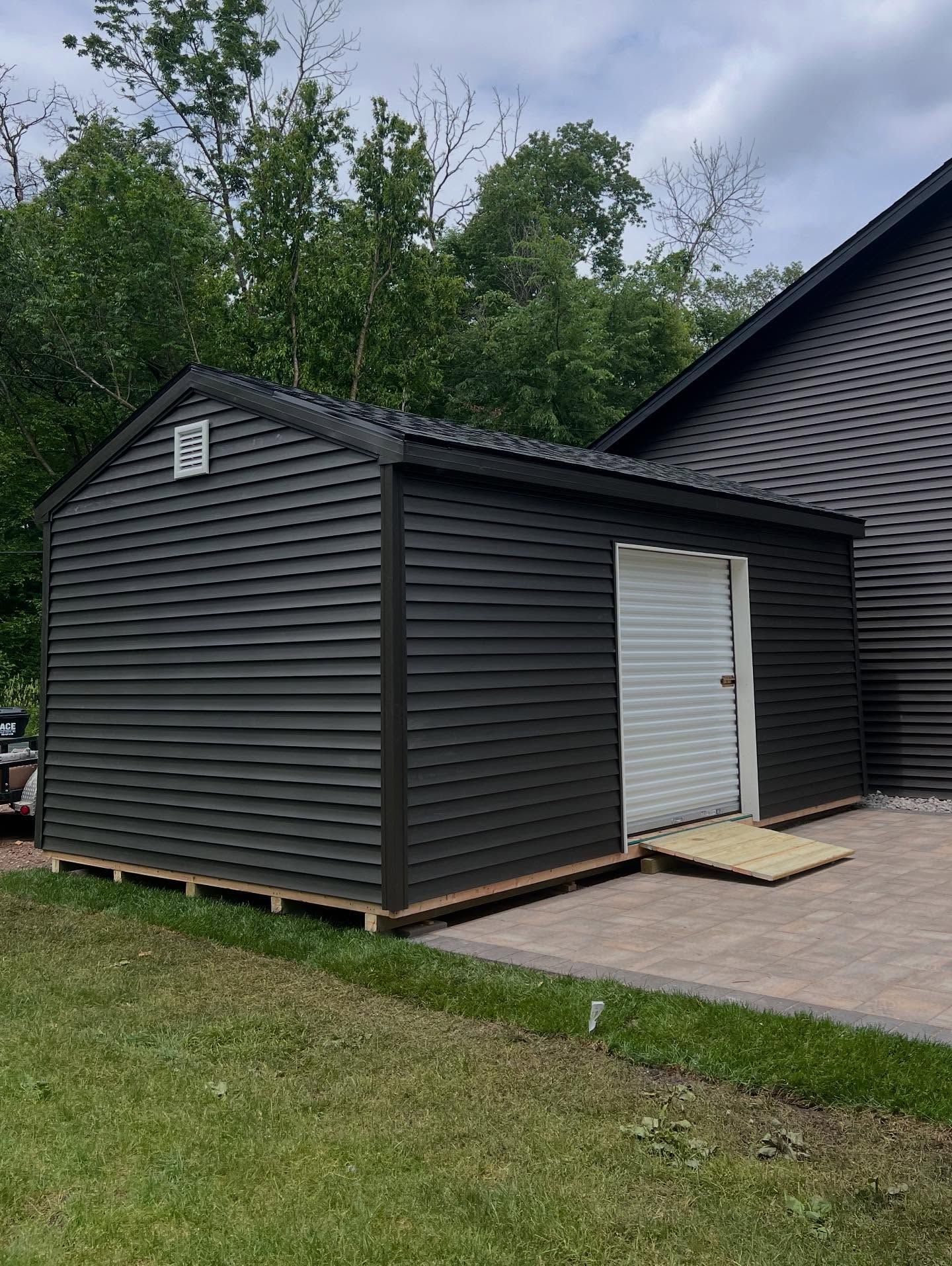
When it comes to maintaining a durable and functional shed, the materials used for roofing and siding are as critical as the structure itself. Sheds are more than just storage spaces—they protect valuable tools, equipment, and seasonal items from the effects of weather, including heavy rain, snow, wind, and extreme sun exposure. Choosing the right roofing and siding solutions can dramatically increase the lifespan of a shed, prevent costly repairs, and enhance overall property aesthetics. With a wide variety of materials and designs available, it is essential for property owners, contractors, and DIY enthusiasts to understand the options that provide the best protection against the elements.
Selecting suitable materials is not simply a matter of appearance or cost; it requires careful consideration of durability, weather resistance, maintenance requirements, and climate compatibility. A shed in a rainy northern climate will have different needs than one in a hot, sunny southern region. By exploring the latest roofing and siding technologies, property owners can make informed decisions that balance functionality, long-term value, and visual appeal. In this guide, we will examine the top shed roofing and siding options, explore their benefits and challenges, and provide actionable insights to help you build a structure that stands the test of time.
1. Choosing the Right Shed Roofing Materials
Asphalt Shingles: Affordable and Reliable
Asphalt shingles are a popular choice for shed roofing due to their affordability, ease of installation, and variety of styles. They provide solid protection against rain, wind, and moderate snow accumulation. Modern architectural shingles offer improved durability compared to traditional three-tab options, resisting cracking and curling over time. One key benefit of asphalt shingles is their versatility—they complement nearly any shed style and can be color-matched to surrounding structures.
However, asphalt shingles may not be ideal for regions with extreme heat or heavy snow loads. Regular inspections are recommended to detect loose or damaged shingles early, preventing leaks and water damage. For sheds in areas prone to ice dams or prolonged moisture exposure, proper roof underlayment and ventilation are crucial to extend the lifespan of asphalt shingles.
Metal Roofing: Strength and Longevity
Metal roofing, including steel and aluminum panels, has gained popularity for sheds thanks to its durability, fire resistance, and low maintenance. Metal roofs are highly effective at shedding snow and rain, making them suitable for areas with heavy precipitation. They also offer long-term value, often lasting 40 to 70 years depending on the material and coating.
While the upfront cost of metal roofing is higher than asphalt shingles, its longevity and minimal maintenance can justify the investment. Additionally, metal roofs can be installed over existing shingles in some cases, reducing demolition costs. The primary consideration is proper insulation to prevent condensation, which can cause corrosion or mold growth inside the shed.
Polycarbonate Panels: Lightweight and Weather-Resistant
Polycarbonate roofing panels are lightweight, durable, and resistant to impact, UV rays, and extreme weather. They are ideal for sheds that require natural light or partial transparency, such as greenhouses or workshops. Polycarbonate is highly resistant to cracking and fading, making it a low-maintenance option.
A potential drawback is the need for careful installation to avoid leaks, especially in overlapping sections. Polycarbonate sheets are generally more expensive than asphalt shingles but offer unmatched light transmission and impact resistance.
2. Siding Solutions That Shield Against Damage
Wood Siding: Classic Look with Protective Treatments
Wood siding provides a timeless, natural appearance, making it a preferred option for many shed designs. Popular types include cedar, pine, and redwood, each offering varying degrees of natural resistance to decay and insects. To maximize durability, wood siding should be treated with sealants, stains, or paints designed to repel moisture and UV damage.
While wood siding is aesthetically appealing, it does require regular maintenance to prevent rot, warping, or insect infestation. For sheds located in humid or rainy climates, selecting naturally decay-resistant wood species and maintaining proper ventilation is essential. Additionally, pairing wood siding with a durable roof ensures comprehensive protection against weather elements.
Vinyl Siding: Low-Maintenance and Resilient
Vinyl siding has become a staple for shed construction due to its affordability, ease of installation, and minimal maintenance requirements. Resistant to rot, corrosion, and insect damage, vinyl can endure harsh weather conditions without fading or cracking. It is available in a wide range of colors and textures, mimicking the appearance of wood while eliminating much of the upkeep.
Although vinyl siding is generally durable, it can be vulnerable to cracking under extreme temperature changes or impact from heavy debris. Proper installation with expansion gaps and reinforced panels enhances longevity, ensuring the siding remains effective in protecting the shed’s interior.
Metal Siding: Industrial Strength
Metal siding, typically in the form of corrugated steel or aluminum panels, offers exceptional durability and resistance to fire, wind, and pests. It is especially useful for sheds in areas prone to severe weather or where security is a concern. Galvanized or coated metal panels provide additional protection against rust and corrosion, further extending the lifespan of the shed.
A potential downside is aesthetic flexibility—metal siding can feel industrial or cold if not paired with complementary design elements. Soundproofing may also be necessary, as rain or hail can generate significant noise inside the shed. Despite these considerations, metal siding remains one of the most reliable options for weather-resistant structures.
3. Considerations for Climate and Environmental Conditions
Wind and Storm Resistance
High-wind areas require shed roofs and siding that can withstand uplift forces. Metal roofing with secure fasteners, reinforced trusses, and interlocking siding panels offer enhanced resistance. In hurricane-prone zones, anchoring sheds to concrete pads or foundation blocks adds another layer of protection.
Sun and UV Protection
Prolonged sun exposure can degrade roofing and siding materials over time, leading to fading, cracking, and warping. UV-resistant coatings on shingles, metal panels, and vinyl siding help maintain structural integrity and appearance. Light-colored materials can also reduce heat absorption, helping to regulate shed interior temperatures.
4. Innovative Shed Roofing and Siding Materials
Composite Shingles and Panels
Composite materials, including recycled polymers, fiberglass, and engineered wood blends, offer durability, weather resistance, and low maintenance. Composite shingles often mimic wood or slate while providing superior resistance to moisture, fire, and insects. Panels can be installed quickly and offer excellent long-term performance.
Fiber Cement Siding
Fiber cement siding combines cement, sand, and cellulose fibers to create an extremely durable, non-combustible exterior. It resists rot, fire, insects, and warping, making it ideal for sheds in challenging climates. Fiber cement requires less maintenance than wood while providing a similar aesthetic. Proper installation and painting extend its lifespan even further.
Green Roofing and Siding Options
Sustainable materials, such as recycled metal, reclaimed wood, and green roofing systems, are becoming more popular for environmentally conscious shed owners. Green roofs, featuring vegetation and proper drainage layers, offer natural insulation, stormwater management, and energy efficiency. While initial costs may be higher, the ecological and long-term financial benefits can be substantial.
5. Best Practices for Long-Lasting Shed Protection
Proper Installation Techniques
Even the best roofing and siding materials will underperform if installed incorrectly. Ensuring a level foundation, correctly aligned panels, and secure fasteners prevents water infiltration, wind damage, and structural shifting. Hiring experienced professionals or carefully following manufacturer instructions is essential for optimal results.
Ventilation and Moisture Control
Moisture is a primary threat to shed longevity. Adequate roof ventilation and exterior siding gaps help prevent condensation and mildew. Installing ridge vents, soffit vents, or cross-ventilation systems ensures air circulation, maintaining a dry, stable interior environment.
Regular Maintenance and Inspection
Routine maintenance can significantly extend the life of shed materials. Cleaning debris from gutters, trimming overhanging branches, checking for loose panels or shingles, and reapplying protective coatings when necessary helps prevent minor issues from becoming major repairs. A proactive approach saves time and costs in the long term.
Combining Aesthetic and Functional Considerations
A shed’s appearance often influences material selection, but aesthetics should never compromise functionality. Combining complementary roofing and siding materials, matching colors to surrounding structures, and incorporating design elements like overhangs or gutters enhances both visual appeal and weather resistance. Thoughtful design ensures the shed performs well while blending seamlessly into its environment.
Maximizing Shed Lifespan Through Smart Material Choices
Choosing the right roofing and siding for a shed is critical to safeguarding its contents, maintaining structural integrity, and ensuring long-term value. Each material—from asphalt shingles and metal roofing to wood, vinyl, and fiber cement siding—offers unique advantages and requires careful consideration based on climate, maintenance expectations, and budget. Proper installation, regular inspections, and attention to ventilation and moisture control further enhance the performance of these materials. By understanding the strengths and limitations of each option, property owners can make informed decisions that combine durability, aesthetics, and functionality.
For over four decades, Redi Bilt in Anoka, Minnesota, has been a trusted provider of high-quality sheds, roofing, and siding solutions. With 40 years of experience, Redi Bilt combines industry expertise with a commitment to customer satisfaction, delivering durable, weather-resistant structures tailored to your specific needs. From helping clients select the ideal roofing and siding materials to professional installation and maintenance guidance, Redi Bilt ensures every shed stands up to Minnesota’s harsh weather conditions. Whether you need a custom shed, repairs, or material recommendations, Redi Bilt is the reliable, knowledgeable partner that brings decades of expertise to every project, providing peace of mind and lasting protection against the elements.