
Signs Your Shed Needs Repairs or Maintenance Before It’s Too Late
February 20, 2026
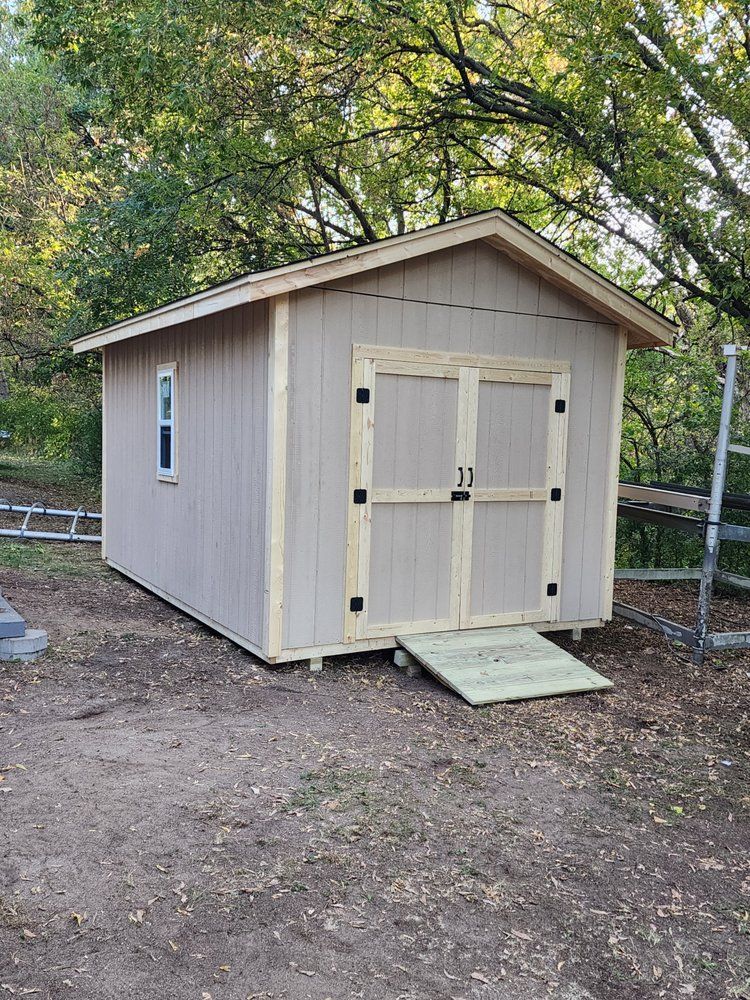
A backyard shed is more than just extra storage—it’s a crucial extension of your home, safeguarding tools, equipment, and seasonal items from the elements. Yet, despite its importance, sheds are often overlooked until a minor issue escalates into a costly repair. Regular maintenance and timely repairs are essential to preserve the structural integrity of your shed, protect your belongings, and prevent safety hazards. Recognizing the early warning signs that your shed needs attention can save you both time and money in the long run.
Sheds are exposed to weather extremes, fluctuating temperatures, and wear from frequent use. Over time, even the sturdiest structures show signs of stress, ranging from minor leaks to weakened foundations. Ignoring these signals can lead to structural damage, pest infestations, and deterioration that compromises both usability and value. In this guide, we’ll explore the most common signs indicating that your shed requires maintenance or repairs. By understanding these indicators, homeowners can take proactive steps to ensure their shed remains functional, safe, and durable for years to come.
1. Structural Damage and Foundation Issues
Sagging or Uneven Floors
One of the first signs that your shed may need attention is a sagging or uneven floor. Over time, moisture, heavy loads, or settling soil can cause floorboards to bow or become unstable. Walking on these surfaces may produce creaks, and in severe cases, the floor may feel spongy or unsafe. Regular inspection can detect early signs of floor weakness, preventing accidents and extensive repairs later.
Actionable Tip: Use a level to check for uneven areas and inspect floor joists for rot. Reinforcing weakened joists with pressure-treated lumber can extend the life of your shed without a full replacement.
Cracked or Shifting Foundations
Foundations support the entire structure of a shed, and even minor cracks can signal serious issues. Signs of foundation problems include gaps between the shed and the ground, leaning walls, or doors that won’t close properly. Ignoring these problems can compromise the stability of your shed.
Expert Insight: Regularly inspect concrete slabs or wooden bases for cracks and moisture damage. Small cracks can often be repaired with epoxy filler or leveling compounds, but larger structural shifts may require professional assessment.
Leaning Walls and Misaligned Doors
If walls appear to tilt or doors become difficult to operate, it may indicate foundational settlement or weakened framing. Such issues can worsen over time, leading to costly repairs if left unattended. Realigning walls and addressing structural weaknesses early is far more cost-effective than rebuilding.
Real-World Scenario: A homeowner in a suburban neighborhood once struggled to find gardening tools during peak season due to chaotic storage. After measuring the shed carefully and creating clearly defined zones with labeled shelves, they cut retrieval time by 70%, highlighting the real power of a well-thought-out layout and planning process.
2. Roofing and Siding Deterioration
Missing or Damaged Shingles
The roof is the first line of defense against weather, and missing or broken shingles can allow water to penetrate the shed. Water intrusion can lead to rot, mold, and damage to stored items. Regular inspection of shingles after storms or high winds helps catch problems early.
Practical Advice: Replace individual shingles promptly, and consider applying waterproof sealant to extend the life of your roof. Maintaining a slight roof overhang can also protect siding from water damage.
Rusted or Corroded Metal Roofing
Metal sheds are durable, but over time, metal roofing can rust, corrode, or loosen at fasteners. Left untreated, corrosion can penetrate the metal, leading to leaks and structural weakness.
Maintenance Tip: Apply rust-inhibiting primer and paint on exposed metal areas. Replace corroded panels promptly to prevent water damage to the interior.
Warping or Rotting Siding
Wooden siding is particularly susceptible to moisture and pests. Warping, splitting, or rot not only detracts from the shed’s appearance but can compromise structural integrity. Signs like peeling paint, soft spots, or mildew indicate that siding repairs are needed.
Best Practice: Apply protective coatings and sealants annually, and replace damaged panels as soon as possible. Using weather-resistant wood types, such as cedar or redwood, can reduce long-term maintenance.
3. Moisture and Water Damage
Interior Leaks and Water Stains
Condensation and Humidity Issues
Sheds often trap moisture due to poor ventilation. High humidity can cause rust, mildew, and deterioration of stored materials. Installing vents or a dehumidifier can mitigate long-term damage
.
Pro Tip: Ensure your shed has proper airflow and consider using moisture-absorbing products to maintain a dry interior. Regular inspections of corners, windows, and eaves help catch moisture buildup early.
Gutter and Drainage Problems
Improper drainage around a shed can lead to water pooling near the foundation, causing erosion, rot, and insect problems. Maintaining gutters and grading the surrounding landscape ensures water is directed away from the shed.
Best Practice: Check gutters seasonally, remove debris, and ensure downspouts extend several feet away from the foundation. Installing gravel or paving stones around the perimeter can further protect against water damage.
4. Pest Infestations and Wildlife Damage
Signs of Rodents and Insects
Sheds often attract pests like mice, termites, and ants. Look for droppings, chewed wood, or termite mud tubes. Even a small infestation can compromise structural integrity and contaminate stored items.
Preventive Tip: Seal gaps around doors, windows, and the foundation. Use rodent-proof containers for stored items and inspect your shed annually for pest activity.
Birds and Wildlife
Birds nesting in eaves or gaps in siding can damage shingles and wood, leaving droppings that accelerate decay. Larger wildlife, like raccoons or squirrels, may try to enter sheds for shelter, causing structural damage.
Expert Insight: Install mesh screens over vents and repair any openings to prevent wildlife entry. Maintaining a tidy exterior and minimizing attractive food sources can reduce the likelihood of animal intrusion.
5. Door and Window Functionality
Sticking or Misaligned Doors
Shed doors that are difficult to open or close often indicate foundation shifts, hinge damage, or warping. If left unaddressed, doors may become inoperable or compromise security.
Actionable Solution: Tighten hinges, lubricate moving parts, and realign doors when necessary. For persistent issues, check the underlying frame for rot or warping and replace damaged sections.
Broken or Cracked Windows
Windows provide natural light but can become a source of leaks or security vulnerabilities if cracked or broken. Moisture entering through damaged windows can cause rot in surrounding frames and encourage mold growth.
Maintenance Tip: Replace cracked glass promptly, use weatherstripping to seal gaps, and consider impact-resistant or shatterproof glass for long-term protection.
Lock and Latch Integrity
Secure sheds prevent theft and protect valuable items. Rusted locks or damaged latches not only reduce security but can also indicate underlying moisture or metal corrosion issues.
Best Practice: Inspect locks and latches regularly, lubricate moving parts, and replace hardware showing signs of rust or wear.
6. Wear and Tear from Daily Use
Heavy Load Stress
Sheds used for storage of heavy tools, machinery, or bulk items can experience floor sagging, warped shelves, or bent framing. Monitoring load limits and arranging heavy items strategically helps reduce stress on the structure.
Pro Tip: Distribute weight evenly, avoid stacking items directly on the floor, and reinforce shelving with additional supports if necessary.
Frequent Access Areas
High-traffic areas, such as entrance pathways and workbenches, wear faster than other parts of the shed. Flooring near doors may become worn or splintered, requiring periodic maintenance.
Real-World Example: A homeowner’s shed entrance became uneven due to repeated foot traffic and snow removal equipment. Installing durable flooring mats and adjusting thresholds helped prolong the floor’s life.
Seasonal Stress Factors
Weather extremes—like heavy snow, hail, or high winds—can cause cumulative damage. Seasonal inspections and minor repairs, such as tightening screws or reinforcing panels, prevent small issues from turning into major problems.
Expert Advice: Schedule inspections at the start of each season. Removing snow promptly and ensuring wind-prone panels are secure can greatly extend shed longevity.
Professional Guidance for Long-Lasting Shed Durability
Regular shed maintenance is essential to safeguard your investment, prevent costly repairs, and ensure the safety and usability of your storage space. By paying attention to structural issues, roofing and siding deterioration, water damage, pest infestations, door and window functionality, wear from daily use, and signs of aging materials, homeowners can take proactive steps to address problems before they escalate. Early detection and routine upkeep not only extend the life of your shed but also preserve the value and accessibility of your stored items.
Redi Bilt
in Anoka, Minnesota, brings over 40
years of experience in shed construction, repair, and maintenance. Our team understands the nuances of shed durability, weather resistance, and material longevity, making us a trusted authority in the industry. From minor repairs to full-scale maintenance, we provide solutions tailored to protect your investment. With decades of hands-on expertise, Redi Bilt
ensures every shed remains safe, functional, and aesthetically pleasing, helping homeowners maximize the lifespan and utility of their outdoor storage structures.