
How to Match Your Shed Design With Your Home’s Architecture?
April 18, 2026
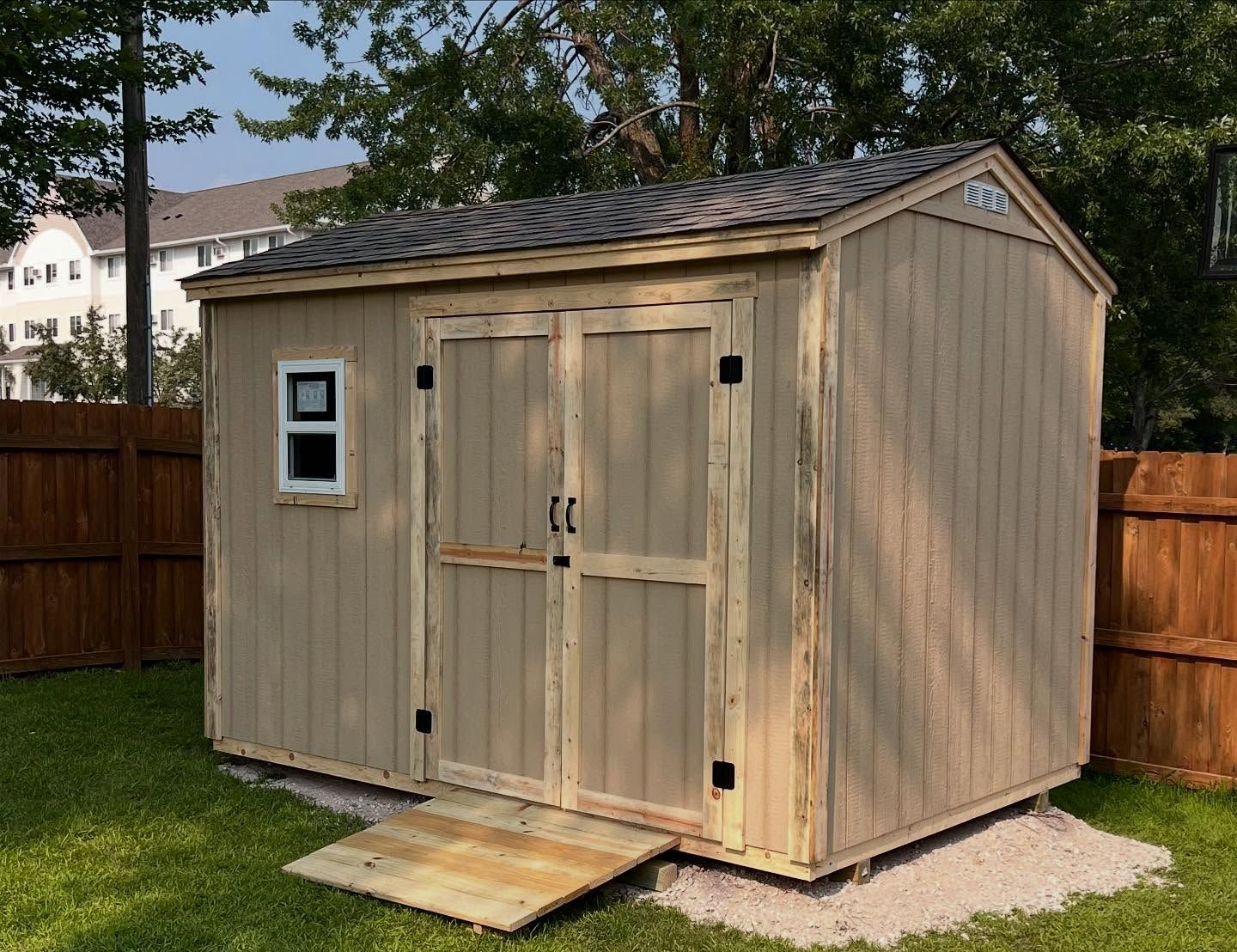
A well-designed shed is no longer just a backyard utility structure; it has become an extension of modern home architecture. Homeowners today expect outdoor buildings to complement the main residence rather than appear as disconnected add-ons. This shift has increased the importance of thoughtful design planning, where proportions, materials, colors, and roof styles must work together to create visual harmony across the entire property. Matching a shed design with a home’s architecture ensures consistency, improves curb appeal, and enhances long-term property value. It also helps create a more unified outdoor living experience where every structure feels intentionally connected.
This topic is especially relevant as residential design trends continue to move toward cohesive outdoor living environments. A mismatched shed can disrupt the aesthetic flow of a property, while a well-integrated structure can elevate it. Understanding architectural alignment allows better decision-making during planning, whether the home reflects traditional, modern, farmhouse, or craftsman styles. It also helps avoid costly redesigns or material mismatches later in the construction process. When done correctly, it transforms the backyard into a visually balanced extension of the home rather than a separate functional space.
By focusing on design compatibility, material coordination, and proportional balance, homeowners can achieve a seamless transition between indoor and outdoor spaces. This approach ensures that every structure on the property feels intentional, unified, and visually balanced, reinforcing both functionality and architectural integrity across the entire landscape. It also enhances everyday usability, making outdoor areas more inviting, organized, and visually connected to the home’s overall design language.
Understanding Your Home’s Architectural Identity
Identifying Core Design Style
Every home possesses a distinct architectural identity that influences all exterior additions and shed design choices. Recognizing styles such as modern, colonial, farmhouse, craftsman, and contemporary ensures proper alignment of roof pitch, siding, window forms, and trim details. This understanding creates cohesive outdoor integration and strengthens visual consistency across the entire property design system overall effectively.
Observing Visual Patterns
Consistency in visual patterns such as symmetry, line direction, and material repetition plays a vital role in architectural harmony. A shed that mirrors these patterns establishes continuity across the property, ensuring siding alignment and structural rhythm complement existing home features for a balanced exterior presentation and cohesive design outcome overall with strong and lasting architectural coherence.
Avoiding Design Conflicts
Design conflicts often arise when shed designs introduce unrelated architectural elements that clash with existing home styles. Combining ultra-modern finishes with traditional homes or rustic textures with sleek minimalist residences disrupts visual flow. Maintaining alignment with established design language ensures a unified outdoor appearance and prevents inconsistencies across exterior structures and overall property aesthetics are effectively maintained.
Matching Materials for Seamless Integration
Siding Compatibility
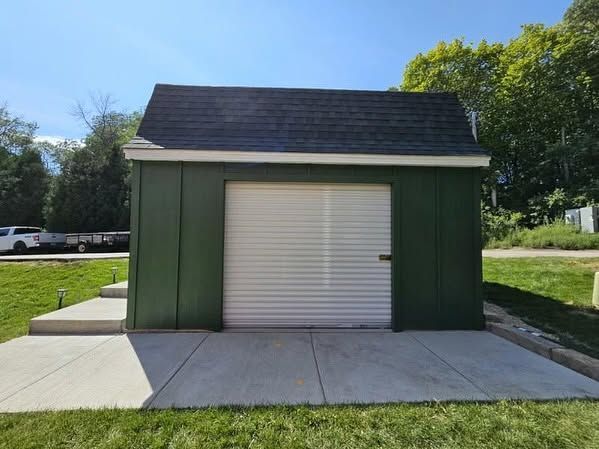
Material selection significantly influences visual consistency in shed and home integration projects. Wood siding, vinyl panels, metal cladding, or composite materials should match or complement exterior finishes, ensuring the shed extends naturally from the main structure while maintaining durability, aesthetic balance, and architectural continuity across residential outdoor spaces, overall effectively ensuring long-term design cohesion achieved.
Roofing Consistency
Roof design serves as one of the most visible connecting elements between the shed and home architecture. Matching shingles, metal profiles, or coordinated color tones strengthens continuity, while complementary alternatives preserve harmony when exact materials are unavailable, ensuring balanced roofline integration and a unified exterior presentation across structures, maintaining visual harmony and structural design consistency overall effectively.
Trim and Detailing Alignment
Trim styles, corner finishes, and decorative accents should reflect those used in the home’s exterior design. Simple trim works well for modern structures, while decorative molding suits traditional architecture, reinforcing attention to detail and elevating overall presentation through consistent exterior finishing elements and refined architectural expression, ensuring cohesive detailing and enhanced architectural visual appeal overall consistently.
Designing Proportions and Structural Balance
Roof Pitch Coordination
Roof pitch alignment helps maintain architectural rhythm between the shed and home structures. Steeper pitches often suit traditional or cottage-style homes, while lower slopes align with modern designs, ensuring proportional consistency, structural harmony, and a smooth visual transition across adjoining built environments within residential properties, maintaining architectural coherence and ensuring balanced design integration throughout property spaces effectively.
Placement and Orientation
Strategic placement enhances the visual integration of shed structures within residential landscapes. Aligning sheds with sightlines, garden edges, or fencing layouts creates a natural flow, while orientation considers sunlight exposure and accessibility, ensuring functional convenience and aesthetic balance without disrupting overall property design harmony and spatial organization principles, ensuring cohesive site planning and functional balance.
Coordinating Color Schemes and Exterior Finishes
Harmonizing Color Palettes
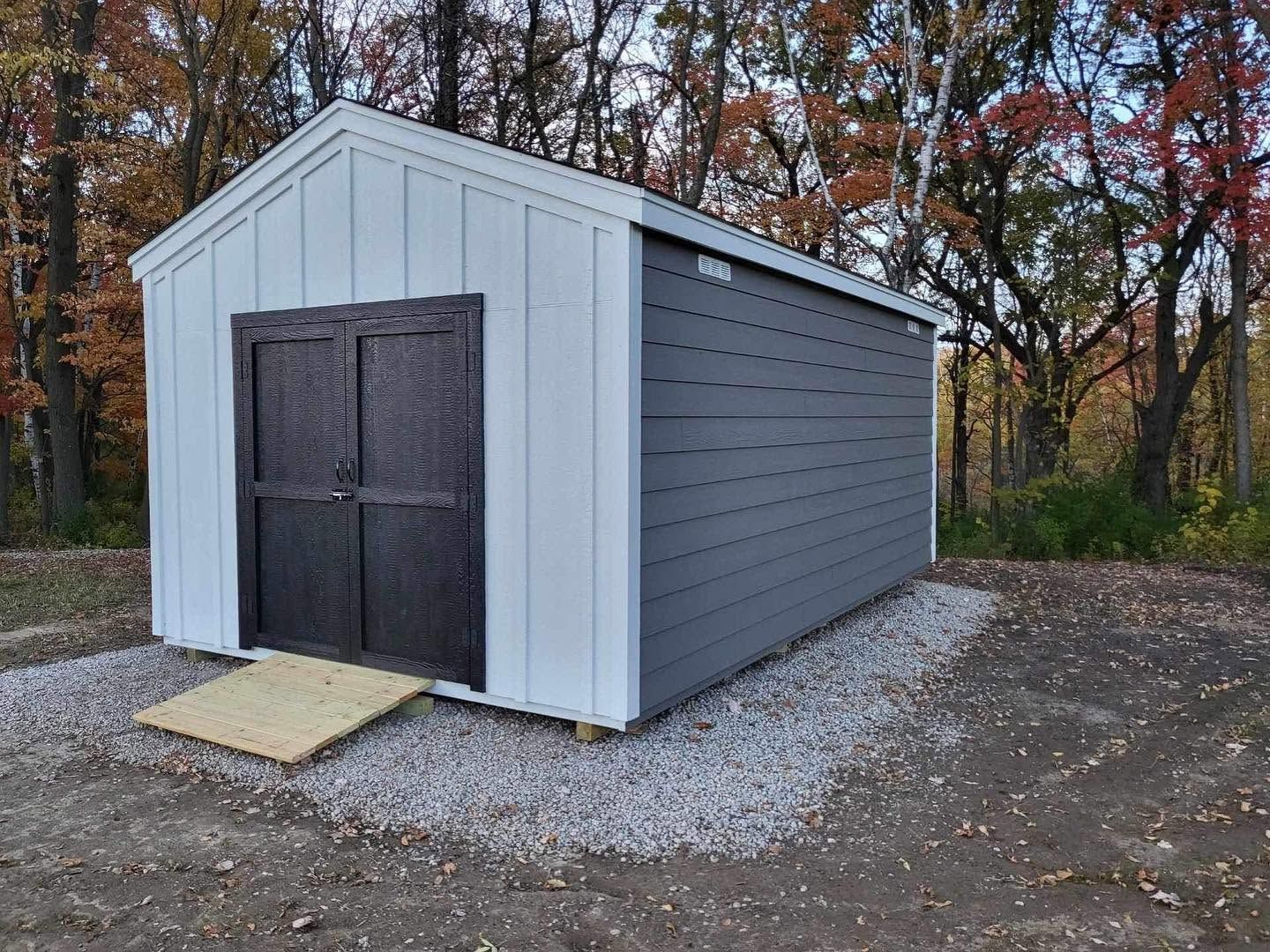
Harmonizing color palettes plays a critical role in blending shed design with home architecture. Matching primary exterior colors or selecting complementary tones ensures cohesion, while neutral palettes suit most styles, and bold homes benefit from subtle shed coloring to avoid visual overload and maintain balanced exterior presentation across properties, ensuring unified aesthetic appeal.
Accent Color Integration
Accent colors used in doors, shutters, or trims on the main home can be reflected in shed detailing. This subtle repetition enhances unity without making structures appear identical, supporting visual continuity and reinforcing architectural identity across outdoor environments and residential design elements for a stronger exterior aesthetic balance, maintaining cohesive color harmony and visual consistency.
Finish Selection and Texture Balance
Surface finishes such as matte, gloss, or textured coatings should align with the home’s exterior treatment. A consistent finish approach ensures light reflection and surface appearance remain visually balanced across both structures, ensuring lasting visual consistency, enhanced appeal, and improved architectural coherence over time, supporting durability and long-term cohesive architectural visual integration throughout all stages.
Incorporating Functional Design with Aesthetic Value
Blending Utility with Style
A shed must serve functional requirements while maintaining architectural harmony with the main residence. Storage needs, workspace layouts, or hobby uses should integrate seamlessly into design planning, ensuring practicality does not compromise visual appeal or structural coherence across residential outdoor environments and usage scenarios. This balance improves overall property usability and long-term value, effectively achieved.
Door and Window Alignment
Doors and windows should reflect the design language of the main residence. Pane shapes, grid patterns, and framing styles must align with existing architectural features, improving natural lighting, ventilation, and maintaining a cohesive exterior identity across connected residential structures and spatial elements for a unified visual flow throughout the property, ensuring consistent design and functional harmony.
Landscaping Integration
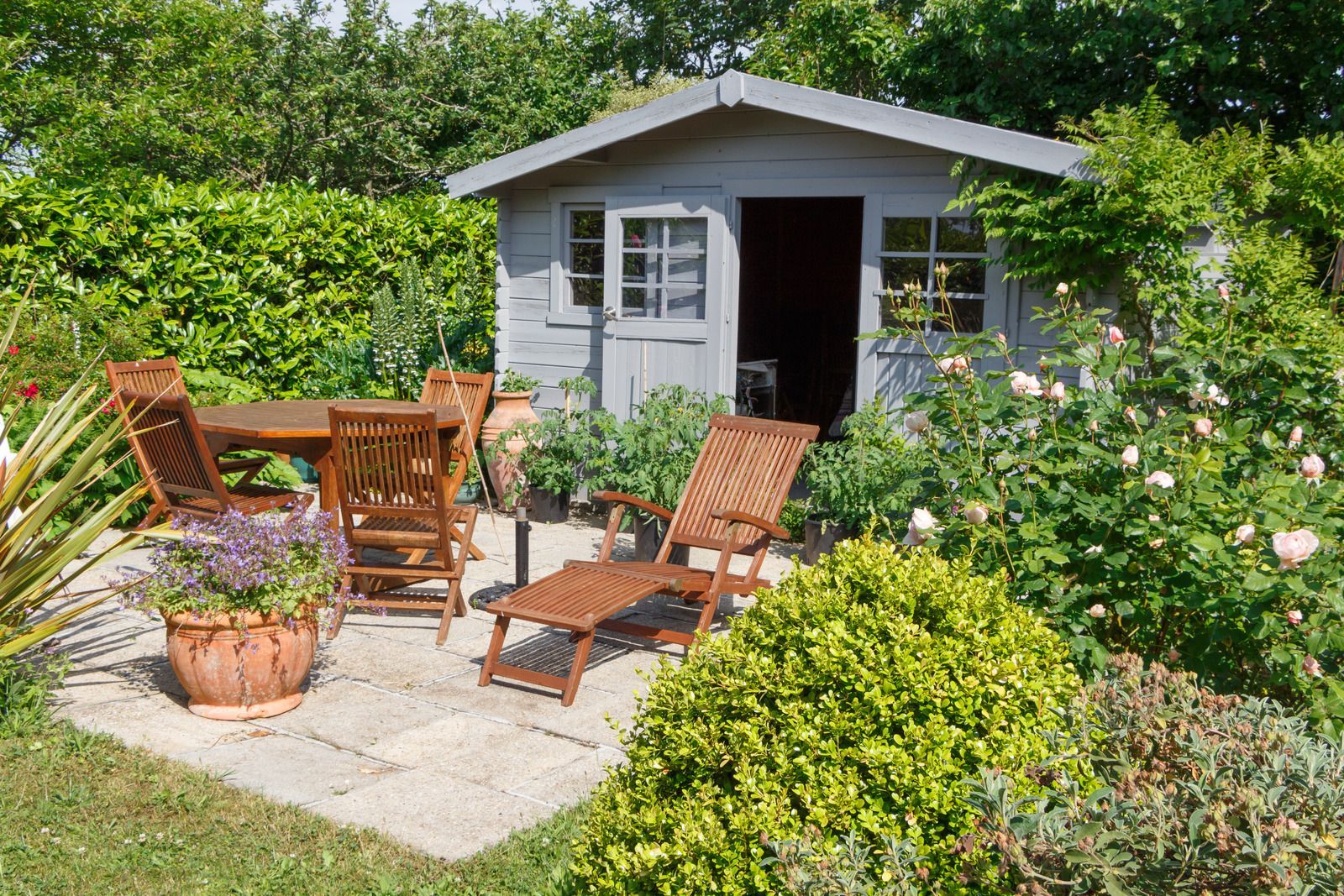
Landscaping plays a supportive role in connecting shed structures with the home environment. Pathways, plant borders, stone edges, and gravel surfaces create smooth transitions between built forms, softening visual boundaries and enhancing overall cohesion across outdoor living spaces and residential landscapes for improved natural flow and harmony over time, ensuring seamless outdoor design integration.
Avoiding Common Design Mistakes
Overcomplicating Design Elements
Excessive decorative features can create visual clutter in shed design planning. Maintaining simplicity aligned with home architecture ensures a clean, cohesive appearance, preventing unnecessary complexity and supporting refined structural expression across residential outdoor environments and overall design execution for lasting visual balance. This also improves long-term aesthetic appeal ensuring clarity, balance, and aesthetic longevity effectively.
Ignoring Architectural Scale
Failure to consider scale often leads to design imbalance in shed construction projects. Careful measurement and proportional planning prevent inconsistencies, ensuring the shed integrates naturally with the main residence and surrounding landscape while maintaining visual stability and architectural coherence throughout the property. Proper scaling also improves spatial harmony overall, ensuring accurate proportion and spatial balance.
Mixing Incompatible Styles
Combining conflicting architectural themes reduces visual harmony in the shed and home integration. Sticking to one dominant style with minor complementary variations ensures consistency, avoids design disruption, and supports a professional-grade exterior appearance across residential environments and outdoor structures for a cohesive aesthetic outcome. This strengthens overall property design identity, ensuring a strong unified architectural design identity.
Trusted Custom Sheds Matching Residential Architectural Styles
Matching shed design with home architecture requires attention to style consistency, material selection, proportional balance, and color coordination. A well-integrated shed enhances property value and strengthens visual harmony across outdoor spaces. Every design decision, from roofing to trim detailing, contributes to a unified architectural expression that feels intentional rather than added as an afterthought. Careful planning ensures that functionality and aesthetics work together without compromise. When design elements reflect the main residence, outdoor structures naturally become part of the overall living environment.
At Redi Bilt, we focus on creating backyard storage sheds that align seamlessly with residential architecture while delivering long-lasting performance and practical utility. Based in Anoka, Minnesota, with 40 years of experience, every project is approached with careful attention to design harmony, ensuring each structure complements the home rather than standing apart from it. Our process emphasizes material selection, proportional accuracy, and architectural consistency to achieve balanced outdoor spaces that feel unified and intentional.
We prioritize understanding the existing style of each property, whether traditional, modern, or transitional, and translate those design elements into shed structures that enhance overall curb appeal. Our commitment is to deliver structures that combine durability, craftsmanship, and architectural sensitivity. Each shed is built to serve practical needs while elevating the visual identity of the home environment. This approach ensures long-term satisfaction and adds meaningful value to residential spaces through well-designed outdoor construction solutions.