
Electrical and Insulation Upgrades That Transform Sheds Into Workspaces
March 16, 2026
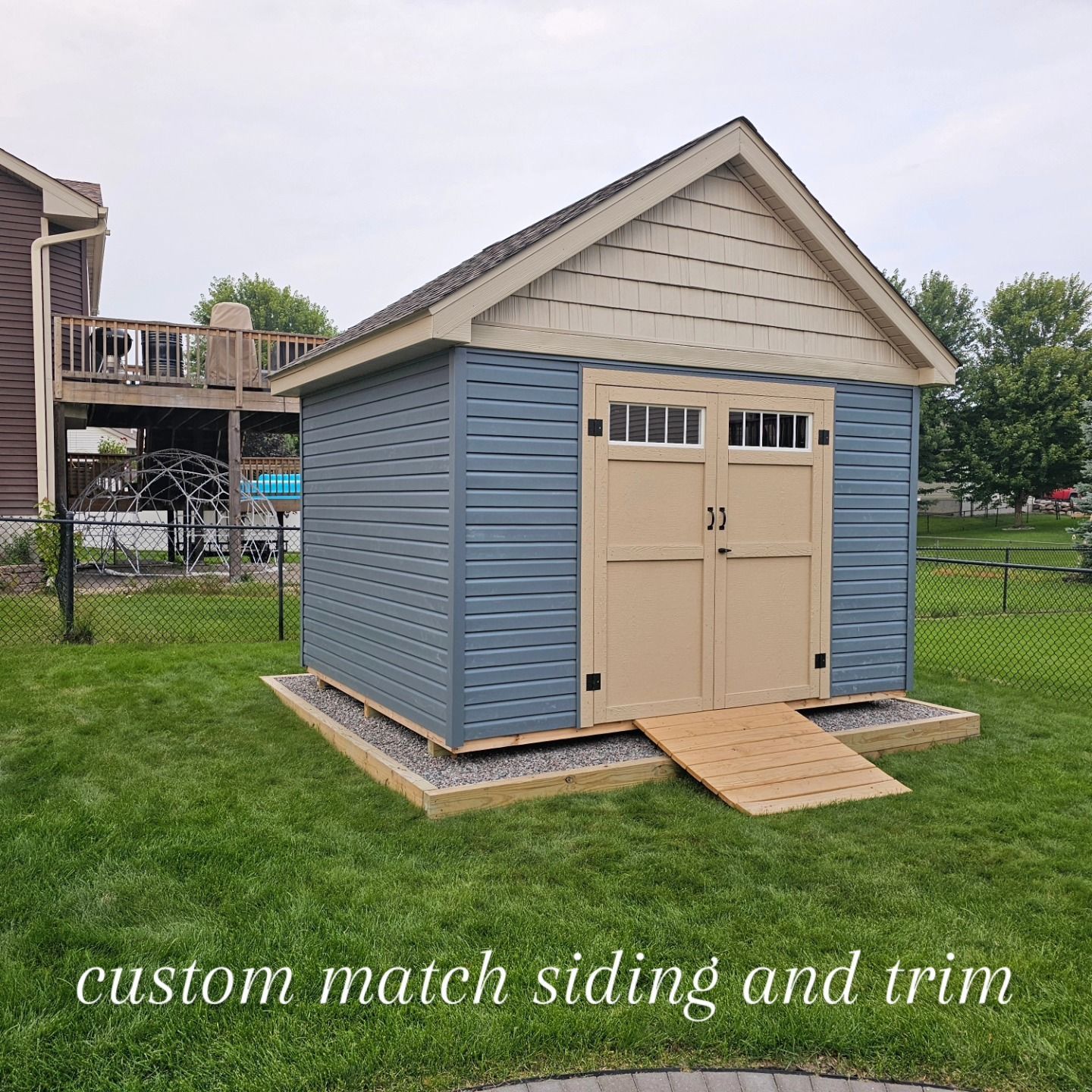
In today’s fast-paced world, homeowners and hobbyists are increasingly looking to maximize the potential of their outdoor spaces. Backyard sheds are no longer merely storage areas for garden tools or seasonal equipment—they are evolving into fully functional workspaces. From woodworking shops to creative studios, these small structures offer flexibility and convenience. However, transforming a basic shed into a comfortable, usable workspace requires more than just furniture and lighting. The right electrical and insulation upgrades are essential to ensure safety, efficiency, and year-round usability.
Proper electrical wiring allows for adequate lighting, power for tools and electronics, and the integration of modern conveniences, while insulation ensures the interior remains comfortable regardless of seasonal temperature swings. Without these upgrades, sheds can become impractical during extreme weather or potentially hazardous due to inadequate power systems. For anyone considering a shed conversion, understanding the key steps, challenges, and best practices in electrical and insulation enhancements is critical. This guide explores actionable strategies for transforming ordinary sheds into versatile, functional workspaces, highlighting real-world examples, expert insights, and practical advice to achieve a professional, efficient, and safe environment.
1. Assessing Your Shed for Upgrades
Understanding Structural Readiness
Before making any upgrades, it’s essential to evaluate your shed’s current structure. The shed’s foundation, walls, and roofing must be capable of supporting new electrical installations and insulation materials. Checking for water damage, pest infestations, or structural weaknesses ensures that the upgrades do not compromise safety or longevity.
Determining Workspace Requirements
Identify how you plan to use your shed. A woodworking workshop has different electrical demands compared to a craft studio or a small home office. Assess the number and type of tools, lighting, heating, and cooling devices you plan to use. Mapping out a functional floor plan helps ensure that the shed’s interior layout supports efficient workflow and comfortable movement.
Evaluating Electrical Capacity
Many existing sheds are designed only for minimal power needs, such as a single light or outlet. Conduct a thorough inspection of your current electrical system, if any, and determine whether you will need new circuits, breakers, or upgrades to your home’s main panel. Hiring a licensed electrician for an assessment is recommended to prevent overloads and ensure compliance with local electrical codes.
2. Electrical Upgrades for a Functional Workspace
Installing Adequate Lighting
Lighting is a cornerstone of any functional workspace. Ambient lighting ensures general visibility, task lighting illuminates work areas, and accent lighting can enhance focus or aesthetics. For example, a workbench benefits from LED strip lights or adjustable task lamps, while ceiling-mounted LED panels provide energy-efficient overall illumination.
Adding Sufficient Outlets and Circuits
Multiple outlets placed strategically around the shed prevent the need for extension cords, which can be a safety hazard. Depending on your tools and equipment, consider installing 120V outlets for standard devices and 240V circuits for high-powered machinery. Circuit breakers should be appropriately rated to handle the anticipated load, and ground-fault circuit interrupters (GFCIs) should be included in damp or outdoor-adjacent areas to reduce the risk of electrical shock.
Integrating Heating, Cooling, and Ventilation
Electrical upgrades are also necessary to support HVAC units or portable heaters. Insulation alone isn’t enough; adequate power must be supplied to maintain a comfortable working environment. Ceiling fans, exhaust fans, or small air conditioning units may require dedicated circuits to prevent tripping breakers. Proper ventilation also helps manage dust, fumes, and moisture, maintaining both comfort and safety in the workspace.
Smart Electrical Solutions
Modern sheds can benefit from smart electrical systems, including programmable thermostats, remote-controlled lighting, and automated outlets. These upgrades improve energy efficiency, convenience, and control, especially for those using their shed as a home office or studio. Wireless sensors and smart plugs can also help monitor electricity consumption and prevent overloading circuits.
3. Insulation Essentials for Year-Round Comfort
Walls, Floors, and Roofs
Proper insulation is not limited to walls. The floor and roof significantly affect indoor temperature. Raised floors may require insulation underneath to prevent cold or heat transfer, while roof insulation prevents heat buildup in summer and heat loss in winter. For instance, combining rigid foam panels in walls with spray foam in roof cavities can optimize energy efficiency in smaller sheds.
Moisture and Vapor Barriers
Insulation must be complemented with moisture control to prevent mold, rot, and structural damage. Vapor barriers installed behind wall panels or beneath floors reduce condensation, particularly in humid or wet climates. Experts recommend using breathable barriers where appropriate to allow trapped moisture to escape while maintaining thermal efficiency.
Acoustic Benefits
Beyond temperature control, insulation can improve soundproofing. This is especially beneficial for sheds used as music studios, workshops with loud machinery, or home offices. Acoustic foam panels or dense insulation materials help reduce external noise and contain sound within the shed, enhancing concentration and comfort.
4. Integrating Electrical and Insulation Upgrades
Coordinated Planning
Electrical and insulation work often overlap, making careful planning essential. Wires must be routed safely through insulated walls without compromising thermal performance. For example, electricians may need to use conduit to protect wiring embedded in spray foam or fiberglass insulation. Mapping electrical paths before insulation installation prevents costly mistakes and rework.
Safety Considerations
Proper spacing and clearance are critical to prevent overheating or fire hazards. Ensure that insulation does not cover electrical junction boxes or exceed manufacturer recommendations near wiring. Building codes may require inspection of both electrical and insulation work to ensure compliance with safety standards.
Retrofitting Older Sheds
Upgrading older sheds presents unique challenges. Wiring may be outdated, insulation may be absent, and space for running new lines can be limited. In such cases, surface-mounted conduit, removable panels, or external insulation sheathing can provide practical solutions. Retrofitting ensures that even older sheds meet modern safety and comfort standards without requiring complete reconstruction.
5. Real-World Scenarios and Applications
Workshop Conversion
Consider a backyard shed transformed into a woodworking shop. Adequate outlets allow simultaneous use of power tools, while task lighting above benches ensures precision work. Spray foam insulation maintains a stable temperature year-round, and a small heat pump provides both heating and cooling. This setup maximizes productivity and safety, even during harsh weather.
Home Office Adaptation
For those using a shed as a remote office, electrical upgrades support computers, printers, lighting, and Wi-Fi boosters. Insulation ensures comfort during extreme temperatures, while smart thermostats and LED lighting improve energy efficiency. The result is a distraction-free workspace separate from the main home, promoting focus and work-life balance.
Creative Studios
Artists, photographers, and crafters benefit from enhanced electrical systems to power lighting rigs, tools, and climate control. Insulated walls prevent humidity fluctuations that could damage materials or artworks. In these cases, combining natural lighting with artificial lighting systems ensures consistent illumination, while temperature-controlled environments preserve both equipment and creative output.
Home Gym or Fitness Space
Sheds converted into gyms require sufficient power for treadmills, elliptical machines, and sound systems. Insulated walls keep the temperature comfortable, while electrical upgrades support auxiliary lighting and charging stations. Moisture-resistant insulation and proper ventilation prevent condensation buildup, keeping equipment in optimal condition.
6. Best Practices and Expert Tips
Prioritize Safety and Compliance
Always follow local building codes and safety standards. Engage licensed electricians for any high-voltage work and ensure insulation materials are fire-rated where required. Using GFCIs, surge protectors, and smoke detectors adds layers of protection, preventing accidents in converted sheds.
Optimize Layout and Workflow
Plan the placement of outlets, lighting, insulation panels, and furniture according to your intended activities. Efficient layout reduces clutter, prevents hazards, and ensures easy access to power and light when needed. Consider future expansion or additional tools to avoid frequent rewiring.
Regular Maintenance
Electrical and insulation upgrades are not one-time investments. Regular inspections identify frayed wires, worn insulation, or signs of moisture intrusion early. Preventive maintenance extends the lifespan of your workspace, keeps it safe, and maintains consistent comfort levels.
Budgeting and Incremental Upgrades
Not all upgrades need to happen simultaneously. Prioritize critical electrical circuits and essential insulation first. Over time, add lighting, HVAC systems, or smart controls. Incremental improvements allow better budgeting while progressively enhancing workspace functionality.
Eco-Friendly Considerations
Consider energy-efficient LEDs, programmable thermostats, and high-R-value insulation materials. These reduce energy consumption, lower operating costs, and minimize environmental impact. Solar panels or battery backups can also provide renewable power for off-grid shed conversions.
Professional Redi Bilt Advice for Electrical Enhancements
Transforming a basic shed into a fully functional workspace requires thoughtful planning, proper electrical installations, and strategic insulation upgrades. Ensuring sufficient power capacity, safe wiring, effective lighting, and temperature control are fundamental to creating a workspace that is both practical and comfortable. With the right combination of electrical and insulation enhancements, sheds can evolve into workshops, studios, home offices, or fitness spaces, offering year-round usability and improved efficiency.
For homeowners seeking reliable backyard storage and workspace solutions, Redi Bilt
in Anoka, Minnesota, stands out as a trusted authority. With 40
years of experience building high-quality backyard sheds, Redi Bilt
combines craftsmanship, innovative design, and practical upgrades to deliver functional, durable structures. From initial consultation to the finished build, the company prioritizes safety, structural integrity, and client satisfaction. Whether you need a shed for storage or a transformed workspace, Redi Bilt
offers expert guidance, personalized solutions, and professional service you can rely on for decades to come.